
July 1, 2026
3D Printer Depreciation: Pricing It Into Every Print
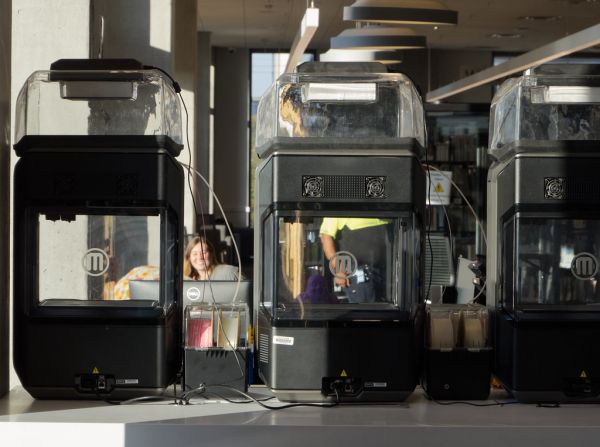
Depreciation is the cost line most often skipped. Material and electricity are visible immediately — they get consumed right in front of you. But the fact that a printer also "wears out" with every hour of printing is less obvious — until the day it needs replacing or major repair, and it turns out nobody set money aside for it.
What actually wears out
A 3D printer has a lifetime — a realistic number of operating hours after which it either needs serious repair (hotend, rails, an SLA screen) or becomes obsolete enough that replacing it makes more sense than fixing it. Lifetime isn't the manufacturer's warranty period — it's your own estimate based on experience running that specific model.
The same logic applies to peripherals: a filament dryer, a UV curing station, an ultrasonic bath for washing resin prints — each has its own lifetime and its own price.
The formula
Depreciation per print = (device price ÷ lifetime in hours) × print time
In other words: first work out the device's "cost per hour of operation," then multiply by the actual time it was in use for this specific order.
Example
A printer costs $500, and you budget a 5,000-hour lifetime before major repair or replacement:
Cost per hour = 500 ÷ 5,000 = $0.10/h
The print took 6 hours:
0.10 × 6 = $0.60
If a filament dryer ran alongside it (say, $35, 2,000-hour lifetime, running the same 6 hours):
(35 ÷ 2,000) × 6 = $0.11
Total depreciation for the order — $0.71.
How to choose a lifetime in hours
There's no single correct number here — the right estimate varies by printer and by how hard you run it:
- Conservative — use the manufacturer's rated lifetime for key components, if published.
- From experience — if the printer has already run for a while without major failures, estimate how much longer it can realistically hold up at the current workload.
- From the community — check how many hours similar models typically run before serious issues start, in maker forums, Discord/Reddit communities, or reviews.
Erring toward a shorter lifetime is safer for the business — the resulting price is a bit higher, but you won't end up having sold a part at a loss.
Calculate your price in a minute
Free calculator: part weight, print time, material price — no sign-up needed.
 App Store
 Google Play
 RuStore
What this buys you in practice
When depreciation is factored into every print, by the time the printer actually needs replacing or repair, the money has already accumulated from past orders' revenue — instead of showing up as a sudden hit to your cash flow.