
August 4, 2026
How to Accept Payments for 3D Printing Orders: Cards, Bank Transfers, and Receipts
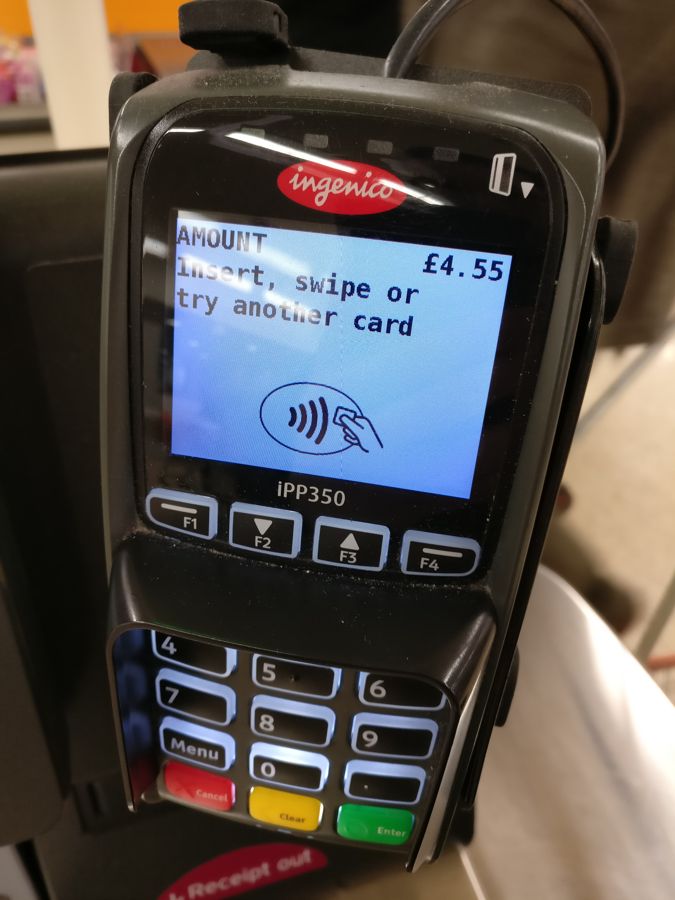
While 3D printing is a side hustle bringing in a couple of orders a month, a card-to-card transfer solves everything. Once orders pick up and some clients start asking for a receipt or a proper invoice, the question becomes how to accept money correctly, not just conveniently.
Payment methods and when each one fits
- Card-to-card transfer — the simplest method for private clients and one-off orders. Legally, for a registered self-employed person or sole proprietor, this is still income that has to be recorded and declared, even if it's technically "just a transfer from a friend."
- Instant payment systems — a transfer straight to your account by phone number, often fee-free for the recipient on small amounts. Many banks let self-employed people and sole proprietors accept instant payments with an automatically generated receipt, which handles the receipt question in one step. (In Russia this is the Faster Payments System, known as SBP.)
- Card terminals / QR payments — needed once order volume is steady or the shop sells through a website or marketplace. This requires setting up merchant acquiring through a bank or a payment aggregator; fees usually run 1.5–3% of the transaction, but paying by card removes the client's "how do I even send you money" hesitation.
- Cash — still shows up for in-person handoffs, but it requires the exact same income reporting and receipt as any other method. Getting paid in cash doesn't exempt you from tax.
Self-employed status vs. sole proprietor: what changes for accepting payments
Self-employed status (a flat-tax regime for individuals) — the simplest way to start: a receipt is generated in the tax authority's official app in a couple of taps, no dedicated business bank account is required, and the tax (4% on payments from individuals, 6% on payments from businesses) is calculated automatically from the receipts you issue. The catch is a yearly income cap (2.4 million rubles) and you can't hire staff under an employment contract.
Sole proprietor status — needed once turnover exceeds the self-employed cap, you need employees, or you're doing a larger volume of business with corporate clients. It requires a separate settlement account for accepting non-cash payments from businesses, bookkeeping, and choosing a tax regime (simplified 6%, simplified 15%, and others) — that deserves its own separate read; this article only covers how payments themselves get accepted.
Both statuses require issuing the client a receipt for every sale — this isn't bureaucratic box-checking, it's a direct legal obligation for both self-employed individuals and sole proprietors: without a receipt, the income isn't formally documented, even if the tax on it has already been paid.
What to choose for a small shop
Start with self-employed status plus card or instant-payment acceptance: minimal paperwork, a receipt generated in one click, low tax. Once regular orders start coming from businesses, turnover approaches the self-employed cap, or the website needs full card-acquiring support, it's time to move to sole proprietor status with a business bank account.
Calculate your price in a minute
Free calculator: part weight, print time, material price — no sign-up needed.
 App Store
 Google Play
 RuStore
In 3D Print Pricing, an invoice is generated straight from the order card, prefilled with the maker's details — no need to assemble a document by hand each time. Payment status is tracked separately from print status, so it's easy to see which orders haven't been paid for yet.
Bottom line
Choosing a payment method isn't just about convenience — it's part of tax discipline: a card transfer without a receipt carries the same obligation to declare income as any other method, just with the risk of forgetting about it. Self-employed status with instant payments closes the receipt question fastest at the start; sole proprietor status with card acquiring is for when the shop outgrows that setup.