
August 1, 2026
The Real Electricity Cost of Running a Print Farm — and Why Per-Print Beats Per-Month
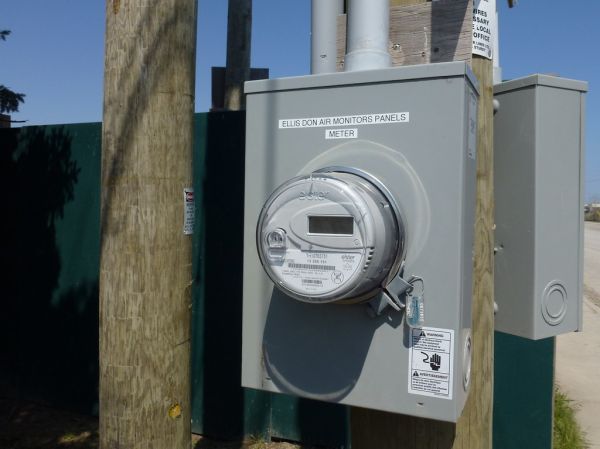
A single printer's electricity bill is easy to ignore — a few cents doesn't move the needle on one part. A farm running several printers most hours of the day is a different story: the same few cents, multiplied by machine count and by hours running, becomes a real monthly number. Priced as a flat "material plus a bit" quote per print, that number gets absorbed into overhead and quietly eaten out of margin instead of being charged for.
Why a print farm's power draw isn't like one hobby printer
One printer running occasionally barely registers on a home electricity bill. A farm is different on three counts: machines run far more hours per day (often close to continuously when the queue is full), several run at once, and enclosed/heated-bed machines draw meaningfully more than an open-frame budget printer — heating a bed and holding chamber temperature for hours is a real, constant draw, not a one-time cost. Add a filament dryer or two running alongside the print queue and the total climbs further.
None of this needs to be measured to the watt to matter for pricing — but it does need to be treated as its own line item, not folded into "material cost feels about right."
The method, not a made-up number
Local electricity tariffs vary too much by country and utility to quote one universal cost per kWh here — pricing based on a borrowed number from somewhere else's blog post is a good way to be quietly wrong in either direction. What's constant everywhere is the method:
Electricity cost = power draw (kW) × print time (h) × local tariff (currency/kWh)
Power draw comes from the printer's rated power supply wattage (a safe ceiling) or a measured average if you have a smart plug reading it. Multiply by actual hours the job occupied the machine, multiply by whatever the local utility actually charges — and that's the real, defensible electricity cost of that specific print, not a guess.
To ballpark a single order without setting up the whole farm's numbers first, there's a free standalone electricity cost calculator that runs the exact same formula — no account, no need to tie it into the rest of your farm's setup.
Per print, not per month
Pricing electricity "per month" as a rough overhead allowance breaks down for the same reason pricing material "roughly" breaks down: jobs aren't uniform. A 20-hour enclosed-chamber print draws far more than a 1-hour open-frame part, and a flat per-order overhead line either overcharges the short jobs or undercharges the long ones — the exact same failure mode as pricing by weight alone when time varies wildly. Pricing electricity per print, using the job's actual hours and the printer's actual draw, keeps the charge attached to the job that actually caused it.
Time-of-use tariffs matter more at farm scale
Many regions offer day/night or peak/off-peak electricity plans, and the price difference between them can be significant. For a single hobby printer running the occasional evening print, this barely matters. For a farm scheduling batches across many hours — and potentially shifting long prints to run overnight specifically to land in a cheaper rate window — it's real money, and it turns electricity from a pure cost line into something worth actively scheduling around. Splitting a print's hours across rate windows rather than averaging one flat tariff gives the accurate number, and it's exactly the kind of per-hour, per-printer tracking the calculator is built to handle without doing it by hand for every job.
Calculate your price in a minute
Free calculator: part weight, print time, material price — no sign-up needed.
 App Store
 Google Play
 RuStore
Bottom line
Electricity on a print farm isn't a rounding error — it's a real, variable cost that scales with machine count, enclosure type, and hours run, and it deserves its own line in the price, calculated per print from actual power draw and actual local tariffs. Absorbing it into a flat monthly overhead guess is the easiest way to have a business that looks profitable on paper and isn't, once the utility bill actually arrives.