
July 3, 2026
Drafting a service contract for 3D printing: what to include
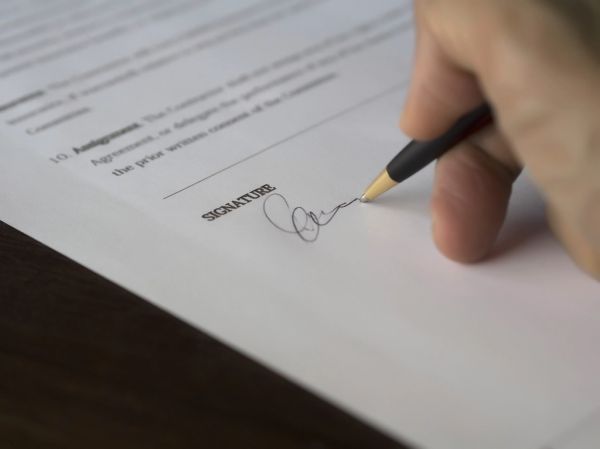
A one-off order can be closed with just an invoice, but once orders become regular or a business client is involved, an invoice alone isn't enough — you need a document that spells out exactly what you're committing to and what happens if something goes wrong. Here's a service contract broken down section by section: what belongs in it and why.
Why an "offer" contract instead of a regular one
A regular contract is signed by both parties — on paper or through e-signature. A contract-as-public-offer is simpler: you publish the terms once (on your site, in chat, in the client dashboard), and the client accepts them simply by paying or placing the order — no separate signature needed. For 3D printing at volume, that's far more practical than re-sending and re-signing the same document every time.
Parties and subject matter
The first section identifies who's who: the contractor (you, with your registration details — sole proprietor or company) and the customer. The subject matter states what the contractor commits to: manufacturing items via 3D printing per an agreed specification or the customer's own files.
Specification and deadlines
This section describes exactly what's being printed: the model, material, quantity, color, post-processing requirements. Separately, the lead time — usually worded as "from the moment the deposit is received," not from the moment the order is placed, since a print can sit in a queue and time before payment shouldn't count against the deadline.
Payment
Terms: deposit amount (typically 50–100% for new clients), payment method, and what happens if the order is cancelled after printing has started — material and time are already spent, so deposits are usually non-refundable once production begins.
Acceptance and defects
How the customer accepts the finished piece — in person, on delivery via a courier (where a commercial waybill comes in), or by photo. Separately, define what counts as a defect (layer separation, under-extrusion, dimensions off-spec) and the window the customer has to raise a claim, after which the piece is considered accepted.
Liability and force majeure
3D printing depends on hardware: filament runout, clogged nozzles, power outages. It's worth stating upfront that this kind of technical failure isn't grounds for a penalty but grounds for a deadline extension, plus a reasonable liability cap (typically no more than the order amount).
How this works in the app
The contract template in the Documents section already follows this structure — fill in your details once in your profile, and the document is assembled automatically for each order, with your logo and signature. See the live editing demo in the general article on documents for 3D printing.
Calculate your price in a minute
Free calculator: part weight, print time, material price — no sign-up needed.
 App Store
 Google Play
 RuStore