
August 8, 2026
The Client Cancels After the Print Has Started: What to Do About the Money
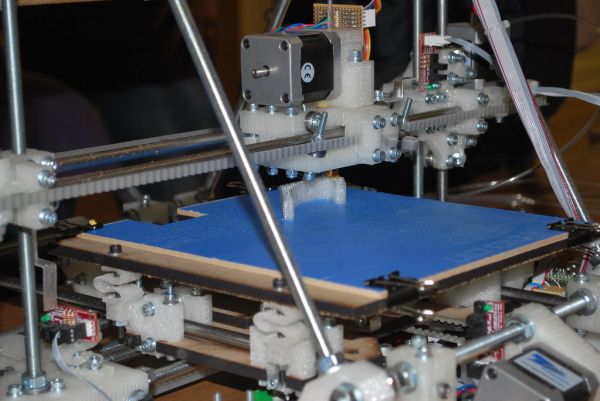
The printer is five hours into an eight-hour job, and a message comes in: "actually, never mind, I don't need it anymore." Cancelling before the print starts is easy — refund the deposit and move on. Cancelling after the finished piece has shipped is a clear situation too. It's the cancellation right in the middle that's the messy one: the material is already spent, and there's no finished result to show for it.
What's already been spent by that point
By the time a mid-print cancellation happens, the order has already consumed:
- Material — plastic or resin already extruded or cured into the shape of the part. It can't be reused; it's a straight loss if the order goes unpaid.
- Machine time and electricity — the printer has been tied up and drawing power this whole time, and that time couldn't go to another order.
- Opportunity cost — while the bed is occupied by this print, other orders sit waiting. That's a real cost too, even if it never shows up on a materials receipt.
If a deposit was collected upfront, it should cover exactly these items — material, machine time, part of the lost opportunity. If there was no deposit, or a token one, a mid-print cancellation is a straight loss for the maker, not the client.
Should you finish the print anyway
There's no single right answer — it depends on whether the finished piece has any value beyond this one client:
- If the part is generic (a standard model, no client's name on it, no unique customization) — it's usually worth finishing: the completed piece can be sold to someone else, listed on a marketplace, or added to stock. The same material gets spent either way, but the result isn't a total loss.
- If the part is personalized or made strictly to this client's spec (an engraved name, a unique size for a specific person) — it's often smarter to stop the print the moment the cancellation comes in. The material already spent isn't coming back regardless, but at least the remaining print time and electricity aren't wasted on a piece nobody else can use.
A simple rule: if the finished part has a realistic chance of finding another buyer, it's usually worth finishing the print. If it doesn't, stop — don't turn a material loss into a machine-time loss on top of it.
How to cover this in your contract ahead of time
The best time to sort this out isn't after it's already happened — it's ahead of time, in your service contract. In the payment section, it's worth stating plainly:
The order is considered accepted into production once the deposit is received.
If the order is cancelled after printing has started, the deposit is non-refundable
and is applied against the material and machine time already spent on the order.
It also helps to split the terms by the stage at which cancellation happens:
- Before printing starts (the model is still being prepared, the bed isn't occupied) — the deposit is refunded, minus any significant file-prep time already spent.
- After printing starts — the deposit is non-refundable regardless of whether the piece is finished.
- After the print is finished — the full price is due, and the finished piece stays with the maker, available to sell or rework for another client.
A full breakdown of every section of the contract is in Drafting a service contract for 3D printing: what to include. Once a term like this is already written down and the client agreed to it when placing the order, a conversation about a mid-print cancellation turns from an argument into a reminder of rules that were already accepted.
How to avoid damaging the relationship
Being technically right, because the terms were agreed in advance, doesn't guarantee the client stays loyal after a conflict — how it's handled matters just as much:
- Explain, don't just refuse. A short reminder that the material has already been spent and the printer was tied up that whole time isn't an excuse — it's a straightforward answer to "why isn't this refundable."
- Offer an alternative instead of a flat no. If the deposit is non-refundable but the client is clearly upset, offering to apply it as credit toward a future order instead of just keeping the money doesn't change the economics of this order, but it preserves the relationship and a shot at a repeat sale.
- Don't get pulled into an emotional argument. Pointing to the contract term the client already agreed to when they paid reads as calmer and more professional than defending the decision in the moment.
Calculate your price in a minute
Free calculator: part weight, print time, material price — no sign-up needed.
 App Store
 Google Play
 RuStore
What this means in practice
A mid-print cancellation is unpleasant either way, but its impact on the business looks very different depending on whether a deposit was collected and the terms were spelled out ahead of time. When both sides know the rules before the order even starts, a cancellation conversation is a check against an already-agreed document — not an emotional argument where each side is defending its own version of what's fair.